How Biometric Data Will Shape the Office of 2026 | DENTON
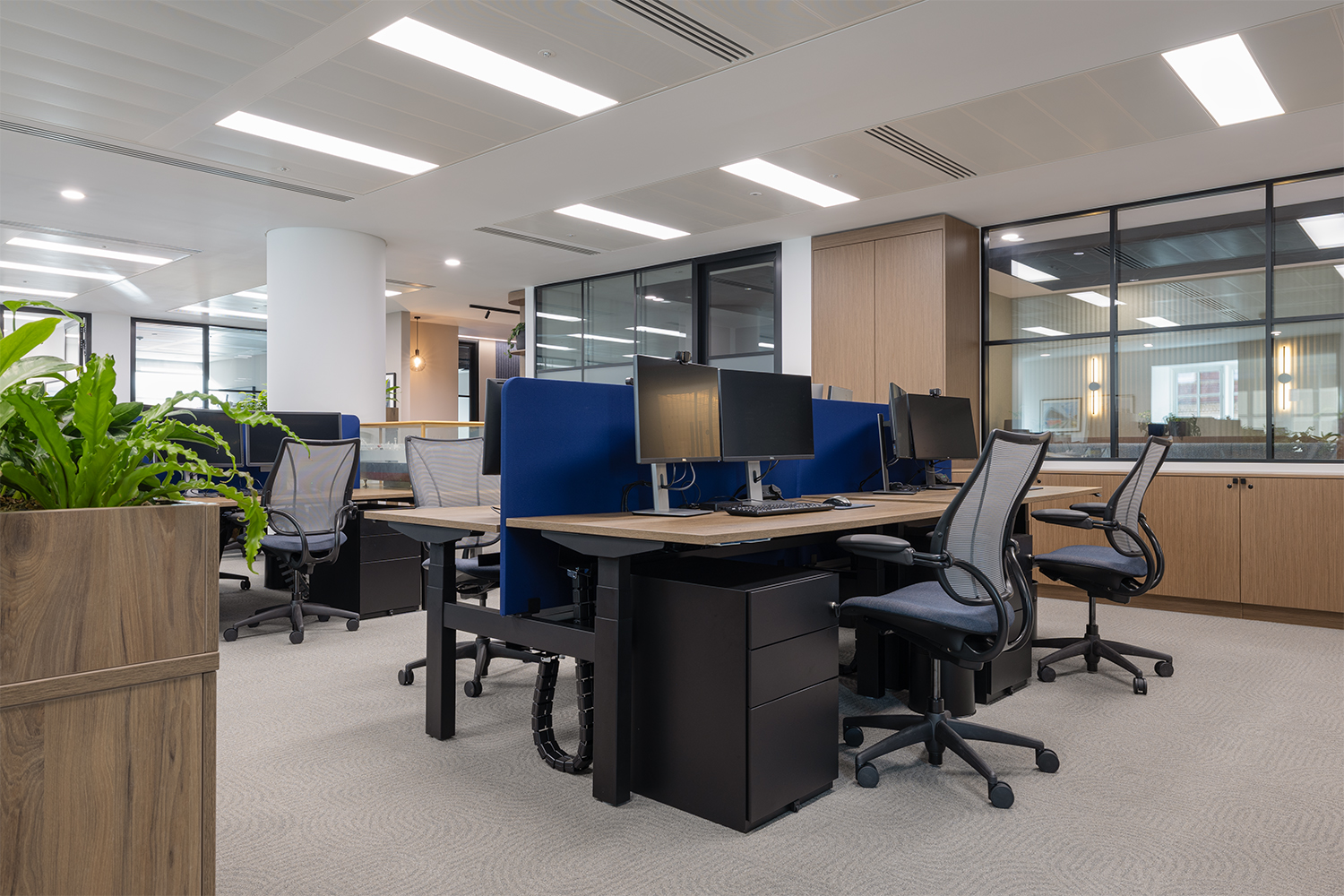
From Gym to Desk: How Biometric Data Will Shape the Office of 2026
Biometric tracking, once the domain of elite athletes, is now becoming part of everyday life.
Over the past few years, the way we understand performance, wellbeing, and productivity has changed dramatically. Wearables, fitness apps, and data-driven health insights are transforming how people monitor their energy, recovery, and mental focus.
This evolution is not confined to the gym. At DENTON, we see the same principles beginning to influence office design. Workplaces are increasingly expected to respond to how people feel, helping teams stay productive, focused, and well - even as hybrid and flexible working patterns continue to be prevalent.
For CEOs, HR Directors, and Workplace Transformation Leads, the implication is clear: office design can no longer be static. It must adapt to people, using data to shape experiences, environments, and workflows.
From Tracking to Action
The post-pandemic years have accelerated data-driven thinking in both fitness and workplace culture. Large-scale events like Hyrox have normalised precise performance tracking, and everyday exercisers now expect feedback and recovery plans akin to professional athletes with access to devices like Apple Watch and Fitbit.
In the office context, this data-driven mindset is extending beyond health to productivity and collaboration. Instead of relying on assumptions about what motivates teams, workplaces can be designed to respond to measurable signals of energy, focus, and fatigue.
A data-responsive workplace:
- Adjusts lighting, temperature, and acoustics based on team energy patterns
- Enables flexible scheduling aligned with circadian rhythms and recovery needs
- Supports task allocation and team assembly based on complementary focus profiles
- Wearables can guide flexible start times, avoiding peak commuter stress
- Recovery patterns can inform meeting lengths, break schedules, and collaborative sessions
- Insights can support individualised work planning and team wellbeing programmes
- Opt-in, anonymised data collection focused on aggregate trends
- Designing spaces to support collective physiology and wellbeing, not control
- Leveraging insights to make flexible, equitable and human-centred decisions
- Tailor environments to support focus and energy levels
- Anticipate strain and prevent burnout
- Optimise schedules and team configurations for performance
- Make sustainable, human-centred decisions about space and resources
This isn’t about surveillance. It’s about using insights to create work environments that improve wellbeing and output.
Designing Workplaces That Adapt
Richard Douglas, Director at DENTON, explains:
“Designing with data is not about replacing human judgement but enhancing it. When offices respond to people’s natural rhythms, performance and wellbeing improve. Clear zoning, sensible material choices, and adaptable environments can all be guided by evidence rather than trends or spectacle. Employees notice the difference when design decisions are informed by real insight.”
In practice, this might mean meeting schedules that adjust based on collective energy levels, team configurations that complement focus and recovery patterns, or amenities that actively support mental clarity rather than simply impressing visitors.
Biometric-informed design aligns with DENTON’s ethos of purposeful, human-centred workplaces. The goal isn’t novelty, it’s meaningful improvement.
Burnout Prevention Through Evidence
Burnout remains one of the UK’s most pressing workplace challenges, with mental health costs estimated at £51 billion annually for employers. Biometric data offers a compelling tool for prevention:
Ultimately, data-informed workplaces can actively support people before strain accumulates.
Human-Centred Data, Not Big-Brother Tracking
A critical element of biometric-informed design is ethics and transparency. Data must empower employees rather than monitor them without consent.
At DENTON, we advocate for:
Ben Lott, Senior designer at DENTON, notes:
“Technology should enhance human experience, not replace it. By using biometric insights responsibly, offices can improve daylight, air quality, circulation, and collaboration in ways that measurably benefit the people who use them every day.”
This approach ensures workplaces remain empowering, inclusive, and resilient.
Preparing for the Office of 2026
The future of office design will not be defined by amenities or spectacle - it will be defined by responsiveness, wellbeing, and adaptability. Data-driven insights will allow organisations to:
Richard Douglas summarises it simply:
“Designing with biometric insights is about intention, not intrusion. The workplaces that thrive in 2026 will be those that respond to real human needs, creating environments where people can do their best work while staying healthy and engaged.”
At DENTON, we see this as the next frontier of human-centred, responsible office design. Offices that respond to people will define the future of work, rather than those that assume what their people need.
Contact us to discuss your next office transformation and see how DENTON is using data-informed insights to create adaptive, human-centred workplaces.